Let's Talk About Reading
Building Strong Readers
With each generation, we’re seeing literacy rates decline—and yet, at Marian Hope, we continue to watch children thrive in reading. Why? Because we start strong, we go slow, and we honor the God-designed way each child learns.
In kindergarten, we begin with curriculum and FUN activities that focus on sound awareness and rich auditory practice. Before we ever push print, we train the ears and the mouth—listening to sounds, producing sounds, and playing with language. From there, we introduce just a few sounds with their corresponding letter at a time. We read with those sounds… then we add another… and another… slowly stacking skills like building blocks.
Some children learn sounds and sound blending quickly. Others need more time. But when they truly own their sounds and begin to understand how those sounds work, something beautiful happens—they become confident, mindful readers.
We’ve had kindergarteners ending the year reading at a 2nd-grade level. We’ve had hesitant kindergarten readers become some of our strongest readers by 4th grade. We don’t rush them. We meet the child exactly where they are, and we build their reading tower sound by sound, rule by rule. Because if you stack ten blocks before the foundation is ready, the tower will fall. But if you build slowly, intentionally, and joyfully? The foundation becomes unshakeable.
As students move into literacy, we see their individual strengths emerge.
Some children visualize words effortlessly—they turn text into a movie reel in their mind, and they fall in love with books.
Others struggle to create mental images, and reading comprehension becomes harder. These children don’t need pressure—they need training, modeling, and gentle questioning to help their brains learn to see in pictures.
Every child’s brain is different.
Some are natural left-brain, sequential learners.
Some are visual-spatial, right-brain learners who thrive in creativity and holistic thinking.
Some shine in reading, some in math, and some can struggle in one or both—and all are equally precious and equally brilliant in the eyes of God.
Education should reflect this reality every single day.
A whole-brain education includes:
🧠 Left-brain learning (phonics, patterns, sequences)
🎨 Right-brain learning (creativity, visualization, storytelling)
⚙️ Frontal-lobe development (executive functioning and problem-solving)
Programs like Orton-Gillingham and others that follow the science of reading have tremendous value—but there is no one perfect curriculum or system that works for every child. Sometimes other strategies are techniques are required to advance skills. Sometimes a strategy that works for one will not work for another. The child should set the stage for the next step, not the curriculum.
We do not force children into a box… we design the box for the child.
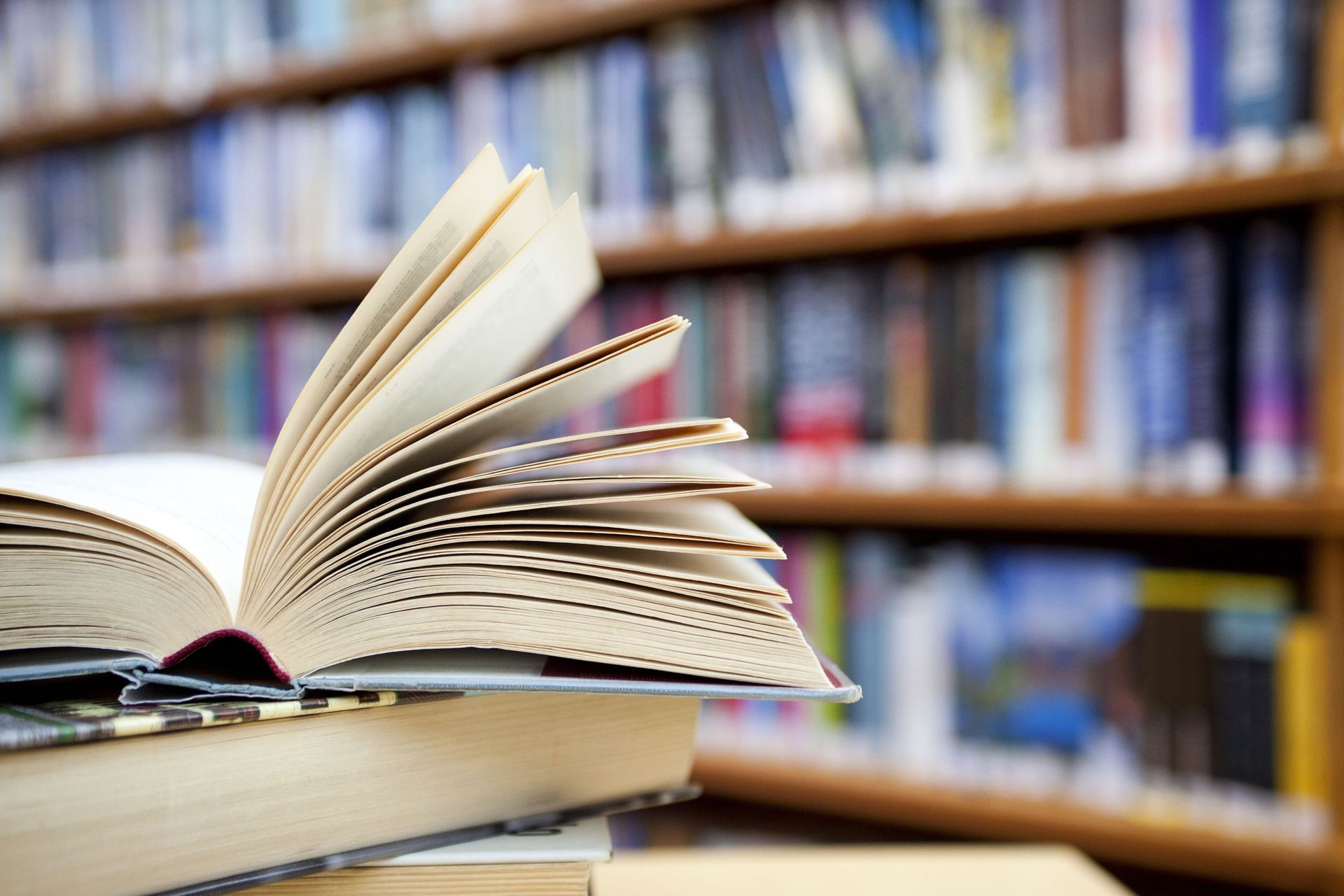
Once a child can decode, the world of literature opens wide. We ignite their curiosity by helping them discover what they love—fantasy, realistic fiction, biographies, nature books, history, graphic novels, or deep-dive nonfiction. Vocabulary becomes exciting when children explore morphemes—roots, prefixes, suffixes. Stories come alive through discussion, figurative language, writing their own stories, dramatizing scenes, or completing hands-on projects.
One of the greatest gifts we give our students is time during the day to read—with a partner, independently, or with audio support if needed.
Because when you truly know the child… you can teach the child.
And that is why literacy grows at Marian Hope.
One sound at a time.
One step at a time.
One beautifully unique child at a time. 💙💚
Share On: